
Navigating License Loss for Cathay Pacific Pilots Amidst Job Instability and Pay Cuts

The aviation industry has faced unprecedented challenges in recent years, and Cathay Pacific pilots have been at the center of a storm marked by layoffs, pay cuts, and job uncertainty. For pilots, the loss of a license is one of the most severe professional setbacks, often intertwined with the instability of their employment. This post explores the realities Cathay Pacific pilots face regarding license loss, the impact of company volatility, and practical steps to manage and mitigate these risks.
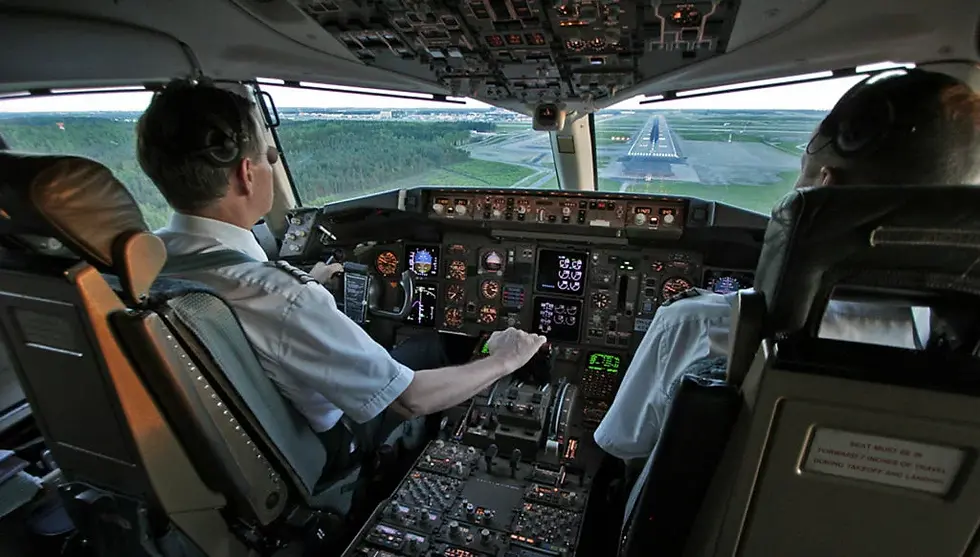
Understanding License Loss in the Aviation Industry
A pilot’s license is the foundation of their career. Losing it means losing the legal ability to fly, which can happen for several reasons:
Medical issues: Failing to meet health standards required for flying.
Regulatory violations: Breaching aviation rules or safety protocols.
Performance concerns: Repeated errors or failure to maintain proficiency.
Criminal activity: Involvement in illegal acts affecting trust and safety.
For Cathay Pacific pilots, the risk of license loss is compounded by the company’s history of workforce reductions and pay adjustments. When the airline undergoes restructuring, pilots may face increased scrutiny, pressure, and stress, which can indirectly affect their license status.
The Volatile Employment Environment at Cathay Pacific
Cathay Pacific has experienced several rounds of layoffs and pay cuts, especially during global downturns in air travel. These changes create a challenging environment for pilots:
Job insecurity: Pilots worry about losing their positions, which can affect mental health and job performance.
Pay reductions: Lower salaries reduce financial stability, making it harder to manage personal and professional obligations.
Increased competition: Fewer positions mean pilots must compete harder to retain their roles.
Morale impact: Uncertainty and dissatisfaction can lead to disengagement or mistakes.
This volatility can indirectly increase the risk of license loss if pilots struggle to maintain the high standards required under pressure.
How License Loss Affects Cathay Pacific Pilots
Losing a license has immediate and long-term consequences:
Career disruption: Pilots cannot legally fly, halting their income and career progression.
Financial strain: Without flying, pilots lose their primary source of income, which can be devastating, especially during pay cuts.
Reputation damage: License loss can affect future job prospects within and outside aviation.
Emotional toll: The loss can cause stress, anxiety, and identity challenges.
Given Cathay Pacific’s history, pilots must be proactive in protecting their licenses and careers.
Practical Steps to Protect Your License and Career
Pilots at Cathay Pacific can take several actions to reduce the risk of license loss and navigate job instability:
Maintain Medical Fitness
Schedule regular health check-ups.
Address any medical concerns promptly.
Follow all medical guidelines strictly.
Stay Updated on Regulatory Changes
Keep informed about aviation authority rules.
Attend refresher courses and training.
Engage with pilot unions or associations for updates.
Enhance Professional Skills
Participate in simulator training.
Seek feedback and improve performance.
Document all training and certifications.
Manage Stress and Mental Health
Use company or external counseling services.
Develop stress management techniques.
Maintain a healthy work-life balance.
Financial Planning
Build an emergency fund to cover periods of unemployment.
Explore alternative income sources related to aviation.
Consult financial advisors familiar with pilot careers.
What to Do If You Face License Suspension or Revocation
If a pilot receives notice of license suspension or revocation, immediate steps can help mitigate damage:
Understand the reason: Request detailed information about the cause.
Seek legal advice: Aviation law specialists can provide guidance.
Appeal the decision: Use formal channels to contest unfair or incorrect actions.
Engage with unions: Pilot associations can offer support and advocacy.
Plan for contingencies: Consider retraining or alternative roles within aviation.
The Role of Cathay Pacific in Supporting Pilots
While the airline has faced criticism for its handling of layoffs and pay cuts, there are ways Cathay Pacific can support pilots:
Transparent communication: Keeping pilots informed reduces uncertainty.
Fair treatment: Ensuring layoffs and pay cuts follow clear, equitable policies.
Support programs: Offering mental health resources and career counseling.
Training opportunities: Providing access to skill development and license renewal assistance.
Pilots should advocate for these supports and participate in dialogue with management.
Looking Ahead: Building Resilience in Uncertain Times
The aviation industry will continue to face ups and downs. Cathay Pacific pilots can build resilience by:
Networking with other pilots and industry professionals.
Staying adaptable to new roles or flying opportunities.
Keeping skills current with ongoing education.
Prioritizing health and well-being.
This approach helps pilots maintain control over their careers despite external challenges.


Comments